Building a brand identity from scratch—or even modernizing an existing one—frequently feels like trying to solve a puzzle with moving pieces. Instead of getting overwhelmed by the sheer volume of tactical choices available today, the smartest approach is to build a streamlined, highly focused strategy that maximizes your specific resources. By dialing in on your target crowd and selecting the precise digital arenas where they actually spend their time, you can cut through the digital noise without burning through your budget.
Ground Zero: Sharpening Your Core Message and Audience Focus
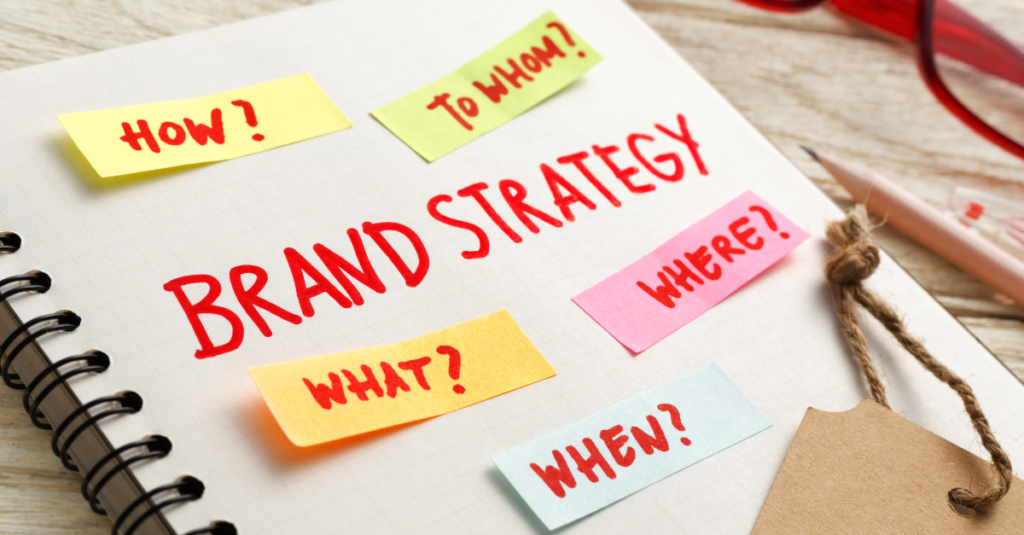
Before you cut a check for paid ads, log hours creating content, or invest in a massive website overhaul, you have to answer two foundational questions: Who exactly is this for, and what is the one distinct feeling or solution they should associate with my brand?
Without these answers, even the most expensive campaigns will fall flat. Truly understanding your audience is the absolute bedrock of effective social media marketing for small business success. If you’re wondering how to budget for these foundational steps or what types of services to look for early on, checking out a breakdown of What Do Social Media Marketing Packages Include? A Small Business Guide can help you set realistic expectations for your growth phase.
To map out your crowd accurately before diving into production, keep these initial targeting considerations at the forefront:
Mapping the Mindset of Your Perfect Buyer
Generic data won’t cut it anymore. Truly connecting with your audience requires looking past surface-level demographics like age and zip codes, and diving straight into consumer psychology. You need to uncover the specific roadblocks keeping them up at night, the inefficiencies that frustrate them, and the core values that drive their purchasing decisions. When you understand the psychological triggers behind their choices, every piece of copy, product offer, and campaign asset you create will feel like a personalized solution rather than a cold sales pitch.
Humanizing Data with Ideal Persona Blueprints
To keep your strategy grounded, translate that consumer research into detailed buyer personas. By structuring these fictional archetypes with distinct names, career trajectories, day-to-day challenges, and personal benchmarks, you give your team a tangible target to aim for. This level of specificity is incredibly valuable when mapping out organic social media marketing for small business, ensuring you aren’t just broadcasting into a void. It keeps your messaging hyper-focused on solving real-world pain points, which is especially critical if you are trying to convert casual scrollers on highly visual, fast-paced platforms. If you are weighing where to build this community, understanding the commerce features of different networks is key—take a look at our comparison on The Real Tea on Social Sales: TikTok Shop vs Instagram Shopping in 2026 to see how different audiences prefer to interact with brands.
Cultivating an Unmistakable Brand Voice and Narrative
Every business needs a North Star—the underlying “why” that drove its creation in the first place. Sharing an authentic brand evolution narrative breaks down corporate barriers and fosters a genuine, emotional bond with your audience.
Once your core story is set, establish the precise editorial tone that will carry it forward. Decide whether your brand’s personality is authoritative, conversational, irreverent, or deeply empathetic. This distinct voice must remain completely uniform across every single touchpoint, whether you are drafting a homepage banner, sending an email blast, or replying to a customer’s direct message.
Selecting Your Arena: 5 High-Impact Digital Ecosystems

With your brand narrative locked in and your target buyer clearly defined, you have a solid launchpad for your digital architecture. The modern internet offers a massive web of promotional avenues, meaning it pays to evaluate the playing field strategically before you start claiming handles or throwing a budget at ad managers.
1. Social Media Infrastructure
For modern brands, social networks represent the most immediate, scalable environment to cultivate brand equity, foster community, and funnel high-intent traffic to your storefront. However, success isn’t about being everywhere at once; it’s about matching your brand to the distinct culture of platforms like Instagram, TikTok, LinkedIn, Facebook, or X.
Executing a modern social media marketing for small business strategy typically involves deploying sophisticated scheduling tools, managing real-time community engagement, tracking behavioral analytics, and balancing organic reach with targeted paid campaigns. Because consumer behavior shifts rapidly, you have to optimize your creative assets—whether that means short-form video, carousels, ephemeral stories, or text-driven thought leadership—to fit the specific native format of each app.
Navigating these platforms also means understanding user privacy norms and community etiquette. For instance, if you are building an highly interactive strategy on visual platforms, minor technical nuances matter to your audience—such as knowing the unspoken rules around platform privacy, which we cover in Does Instagram Notify When You Screenshot Stories or Posts? (2026 Guide). Ultimately, data-backed optimization ensures your content strategy consistently drives bottom-line business results.
2. Owned Media: The Power of Email Architecture
While algorithmic channels fluctuate, building a direct pipeline to your audience’s inbox remains one of the most reliable, high-yield tactics available. Cultivating a dedicated subscriber base gives you a direct line of communication with an audience that has actively raised their hands to hear from you, shielding your reach from third-party platform changes.
A sophisticated approach here goes far beyond blast updates. It involves architecting automated welcome sequences, behavioral triggers, and targeted promotional campaigns. By segmenting your subscriber database based on past purchase history, engagement levels, or specific interests, you can deliver hyper-personalized messaging that drives action rather than unsubscriptions. Utilizing modern marketing automation tools allows you to optimize delivery times, split-test subject lines, and analyze open and conversion trends to continuously maximize performance.
This type of direct, data-driven communication works hand-in-hand with your external channels. For instance, the traffic and community you build via organic social media marketing for small business can serve as a primary engine for capturing email sign-ups. Conversely, you can use your email list to drive followers to newly launched company hubs—such as directing subscribers to your brand’s official page after you learn How to Make Facebook Page a Business: Your Ultimate Guide to expand your cross-platform footprint.
3. Content Architecture and Community Education
Instead of leaning heavily on aggressive sales pitches, modern content marketing focuses on delivering genuine, upfront value. By producing high-caliber blog articles, specialized videos, visual infographics, or audio programming, you position your brand as an educational resource. This approach builds authority and nurtures long-term consumer loyalty well before a transaction ever takes place.
To make this ecosystem work, you must maintain a consistent production schedule that directly addresses the real-world queries and challenges your audience faces. Furthermore, this asset library serves as the creative engine for your broader digital footprint. High-value resources give you an endless supply of conversational material to fuel your social media marketing for small business channels, while simultaneously providing the informational depth that search engine algorithms reward. If you want to maximize your production efficiency, focus on creating assets that stand the test of time; check out our guide on Your Ultimate Guide to Evergreen Content to learn how to build pieces that drive traffic for years.
4. Search Engine Optimization (SEO)
If content marketing is the engine, search engine optimization is the fuel that ensures your digital storefront actually gets discovered when prospects look for solutions online. Elevating your visibility on major search engine results pages requires a multi-pronged technical and creative approach.
This includes conducting rigorous keyword research to match user intent, crafting high-performance meta descriptions that boost click-through rates, structuring a logical internal linking network, and securing high-authority external backlinks. When executed correctly, a strong search strategy acts as the perfect structural complement to your outbound social media marketing for small business campaigns, capturing high-intent searchers right at the exact moment they are ready to find a solution.
5. Pay-Per-Click (PPC) Advertising
For brands looking to accelerate their growth, pay-per-click advertising offers a direct, fast-track route to visibility across networks like Google Ads and Meta Ads. While organic social media marketing for small business is inherently a marathon focused on community cultivation and brand equity over time, PPC operates as a sprint—allowing you to buy immediate placement and leapfrog the months of heavy lifting required to build an organic audience from scratch.
However, buying traffic requires precision. Succeeding with paid acquisition demands rigorous audience targeting, continuous creative testing, and meticulous budget optimization to ensure your ad spend is directed toward high-value leads rather than empty clicks.
For platforms with highly algorithm-driven organic reach, a strategic mix is often best. For example, if you are looking to scale your impact on short-form video channels quickly, balancing paid ads with organic growth techniques is crucial. To master the organic side of the equation, explore our insights on How to Get More Views on TikTok in 2026 to maximize your unpaid visibility.
Engineering a Goal-Driven Framework
When launching your initial campaigns, the secret to longevity is strict containment: trying to conquer every digital platform simultaneously is a fast track to burnout. The most profitable move you can make is to consolidate your energy into a select few channels that directly intersect with your business objectives, industry ecosystem, and true operational bandwidth.
There is absolutely no need to experience FOMO just because a competitor is heavily active on a specific app. Instead, run a sober analysis of your current time constraints, available budget, and internal skillsets. Prioritize the exact platforms where you can maintain a high, uncompromised baseline of production quality and consistency.
Accept from day one that modern marketing requires a healthy dose of trial and error. Discovering the exact messaging formulas that click with your specific buyer demographic takes data collection, patience, and iterative adjustments.
Ultimately, your strategy needs to fit your specific niche. For example, if you are focusing on professional networks, timing your distribution perfectly can make or break your organic footprint. Understanding nuances like When to Post on LinkedIn: Best Times for Tech and Healthcare Industries ensures you aren’t wasting effort on inactive audiences.
By anchoring your social media marketing for small business inside a formal plan—one that explicitly maps out your core objectives, demographic profiles, messaging guardrails, success metrics, and individual accountability—you ensure your brand remains highly proactive and data-driven, rather than constantly scrambling to react to the latest internet trends.
The Final Takeaway
Succeeding in today’s digital landscape isn’t about shouting the loudest; it’s about being hyper-intentional and cultivating genuine connection with the people you serve. True momentum is built by deeply understanding your audience, sharpening your core message, and fiercely committing to a selective handful of communication channels. Let real-world data drive your optimization, remain relentlessly open to creative experimentation, and trust that compounding returns take time to manifest.
You don’t need a corporate budget or a massive agency to move the needle. A lean, high-impact strategy built on precision, consistency, and constant iteration is entirely enough. By focusing your early efforts on mastering organic social media marketing for small business, you can lay a rock-solid foundation, start scaling small, and let your promotional engine grow hand-in-hand with your business.