
Think of hotel marketing as the heartbeat of your business. It’s more than just flashy ads; it’s how you tell your property’s story, stand out from the crowd next door, and make a “wow” first impression before a guest even steps into the lobby.
The world of digital advertising moves fast. Blink and you might miss a new trend. To keep those rooms full, your brand needs to stay on top and tech-savvy.
Whether you’re a cozy boutique or a wide-spread resort, staying ahead of the curve is the only way to turn casual browsers into loyal fans.
Why Does Your Hotel Marketing Strategy Actually Matter?
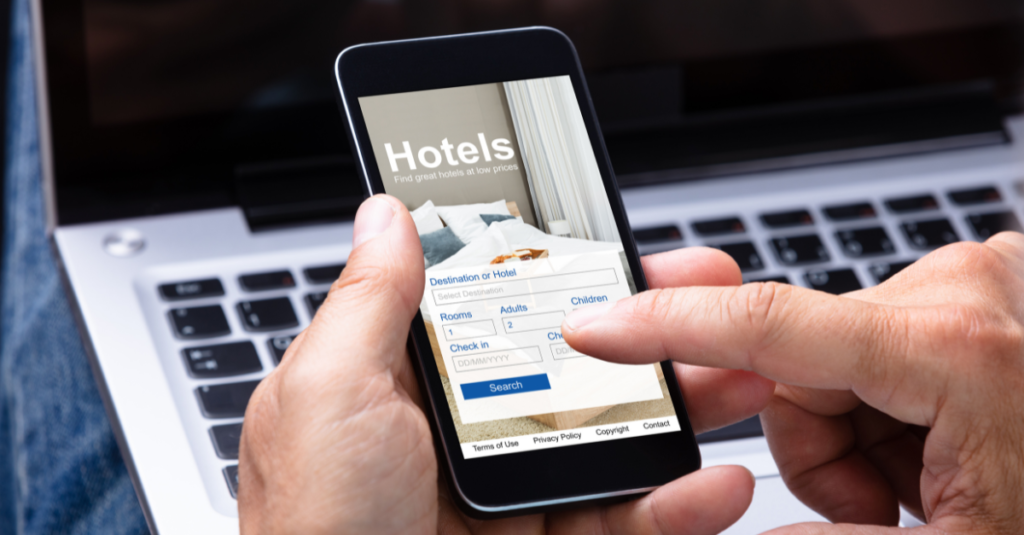
Hotel marketing is the bridge between your empty rooms and a traveler’s dream vacation. In the busy world of hospitality, you aren’t just selling a bed for the night; you’re selling an experience. If people don’t know you exist, or why you’re special, they can’t book with you.
A solid plan does three big things:
- Gets You Noticed: It puts your property in front of people who are actively looking for a place to stay.
- Closes the Deal: it turns a “maybe” into a confirmed reservation by showing off what makes you unique.
- Keeps Them Coming Back: It builds a relationship so that the next time they travel, they don’t even look at the competition.
By highlighting your unique value and using the right digital tools, you can start real conversations with future guests. It’s all about reaching the right person at the right time and giving them every reason to hit that “Book Now” button.
Mastering the Search: How Hotel SEO Puts You on the Map
Ever wonder how some properties always seem to show up first when you search for a place to stay? That’s the power of Hotel SEO (Search Engine Optimization).
At its simplest, SEO for hotels is the art of fine-tuning your website so search engines like Google, Yahoo, and Bing recognize you as the best choice in your area.
When your site climbs toward that “top spot,” you’re doing more than just winning a digital race, you’re capturing organic traffic from travelers who are ready to book.
Why Being #1 Matters
If your website is buried on page three of the search results, you’re essentially invisible. High visibility means:
- Direct Booking Growth: You keep more of your profit by cutting out the middleman.
- Beating the Competition: You snag the guest’s attention before they even see the hotel down the street.
- Maximizing Revenue: More eyes on your site naturally leads to more heads in beds.
The Essentials of a Great Search Strategy
To get Google to fall in love with your site, you need a mix of smart tactics. This includes keyword research to figure out exactly what your future guests are typing into their search bars, and using meta tags to describe your pages clearly to search bots.
Of course, content optimization is huge. Your words need to be helpful and engaging. Finally, never forget the “thumb test”: your website must be mobile-friendly and a breeze to navigate. If a guest can’t book easily on their phone, they’ll find someone who makes it simpler.
The Power of the “Book Direct” Strategy: Keeping Your Revenue Where it Belongs

When it comes to hotel marketing, your own website is your most valuable asset. Why? Because every time a guest books directly with you, there’s no middleman taking a cut.
In an era where operating costs are climbing, focusing on direct bookings isn’t just a good idea; it’s a survival tactic. By cutting out the high commission fees from Online Travel Agencies (OTAs), you keep more profit in your pocket and, more importantly, you own the relationship with your guest from day one.
Breaking the OTA Habit
OTAs are great for visibility, but they also “borrow” your guests’ loyalty. To bring the balance back to your own booking engine, you need a proactive distribution strategy.
Here’s how to shift the tide:
- Master Rate Parity: Ensure your website always offers the best (or at least equal) price compared to third-party sites. If guests see a cheaper deal elsewhere, they’ll take it.
- Omnichannel Campaigns: Use a mix of metasearch marketing (like Google Hotel Ads) and SEO to catch travelers exactly when they are comparing prices.
- The Seamless Experience: Your booking process should be smoother than a fresh set of linens. If it’s too many clicks to confirm a room, people will leave.
Turning Visitors into Guests (and Fans)
Once a traveler lands on your site, the goal is to keep them there. You can do this by offering “direct-only” perks, like a free welcome drink or late checkout, that they can’t get anywhere else.
If they start booking but get distracted, don’t let them disappear! Using remarketing ads and personalized follow-up emails can gently remind them to come back and finish their reservation.
By treating your direct channel as a VIP experience, you turn a one-time visitor into a loyal member of your hotel’s community.
Social Storytelling: Turning Scrollers into Guests

Managing these visual assets across multiple platforms requires a secure backend structure. If your property handles several different Instagram and Facebook accounts, perhaps for the main hotel, an on-site spa, and a rooftop bar, you need to know how to keep your permissions organized and your data safe.
See our breakdown of Meta Business Suite vs. Meta Business Portfolio to know the key differences in 2026, ensuring your administrative foundation is as secure as your guest rooms.
In 2026, a traveler’s journey doesn’t start at a front desk, it starts on a smartphone. Social media for hotels has become the modern-day concierge, influencing where people go, what they eat, and where they sleep long before they pack a suitcase.
When you build a presence on platforms like Instagram, TikTok, and Facebook, you aren’t just posting photos; you’re building a lifestyle. Since nearly half of all consumers admit that social media dictates their buying choices, your “grid” is essentially your new lobby.
While the aesthetic of your grid sets the tone, short-form video is what often drives the final booking decision in 2026. If you’re trying to decide whether to invest your creative energy into immersive room tours for TikTok or vibe-heavy clips for Reels, our comparison on TikTok vs. Instagram Reels in 2026: Where is the Best ROI for Local Businesses? will help you allocate your production budget where it matters most.
Beyond the “Post” Button: Building Community
To win at the social media marketing game, you need more than just a profile. You need a strategy that includes:
- Showcasing the Vibe: Don’t just show the room; show the sunset from the balcony, the steam off the morning coffee, or the hidden reading nook. Use hashtags and geotags to make sure people searching for your city stumble upon your hidden gem.
- The Power of Influence: Partnering with travel influencers allows you to tell your story through a trusted voice. They provide an “inner circle” look at your property that feels authentic and exciting to their followers.
- Turning Guests into Advocates: Your best marketers are the people already staying with you. Encourage them to share their own photos and reviews. When a real person vouches for your service, it carries more weight than any paid ad.
Managing Your Reputation
Your social strategy isn’t complete without keeping an eye on online reviews. Whether it’s a shout-out on Instagram or a detailed breakdown on a website, every comment is a marketing opportunity.
- Engage in Real-Time: Responding to feedback shows you care about the guest experience.
- Learn and Pivot: Use reviews to spot what guests love (and what they don’t) to sharpen your service and your future marketing campaigns.
By treating social media as a two-way conversation rather than a megaphone, you create a brand that people follow. The secret to a high response rate is having all your guest messages in one place. Juggling inquiries from Facebook, Instagram, and WhatsApp can lead to missed bookings if you’re jumping between apps.
To manage your entire community from a single, efficient desk, read our guide on how to use Meta Business Suite to grow your brand and turn your social presence into a streamlined messenger service.
Paid to Play: Using Hotel Paid Ads to Shortcut the Search
If SEO is the marathon, then hotel paid ads are the sprint. A smart Pay-Per-Click (PPC) strategy is like buying a “Fast Pass” to the top of Google. When someone types “best boutique stay near me,” you want to be the first thing they see.
Without a solid investment in PPC for hotels, you’re essentially handing over your market share to competitors. They are already spending big to stay visible; if you aren’t in the game, you’re invisible.
Scaling these paid efforts requires a clear understanding of your marketing overhead. Whether you’re looking to hire an in-house specialist or partner with an agency to manage your automated bidding and metasearch strategy, you need to know the current market rates.
Consult The 2026 Social Media Management Pricing Guide: What Should Small Businesses Pay? to help you budget effectively for the year ahead.
Work Smarter with Automation
In 2026, you don’t have to manually tweak every single ad. Modern hotel marketing tools allow you to scale your efforts using automation, ensuring your budget goes exactly where it’s needed most.
- Dynamic Search Ads (DSA): These are a lifesaver. Google scans your website and automatically creates a punchy headline that perfectly matches what a guest is searching for. It’s like having an ad that rewrites itself in real-time.
- Responsive Search Ads (RSA): These ads test different combinations of headlines and descriptions to see which ones get the most clicks. It’s built-in A/B testing that helps you maximize room revenue without the guesswork.
- Real-Time Adjustments: Automated ads can pivot instantly when market demand shifts. If there’s a sudden local event, your ads can ramp up to capture that specific traffic while your competitors are still drinking their morning coffee.
Why Invest in Paid Channels?
While we love organic growth, paid hotel advertising gives you immediate control. It allows you to:
- Direct Traffic: Push users straight to your site to avoid OTA commissions.
- Highlight Special Promos: Instantly promote seasonal sales or last-minute deals.
- Dominate Local Search: Make sure you are the “featured” option when travelers are ready to pull the trigger.
The Price Comparison Game: Winning with Hotel Metasearch
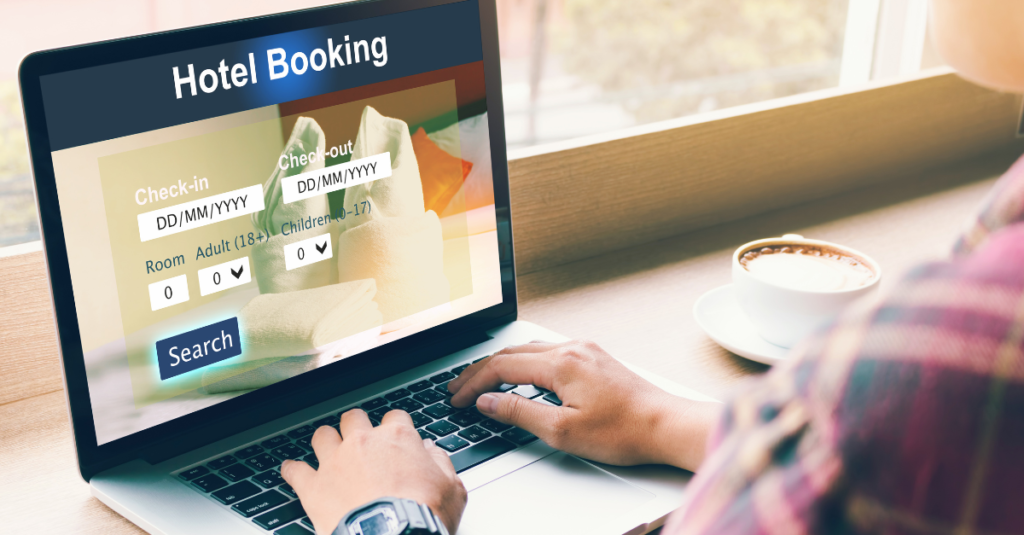
In the 2026 travel landscape, guests are smart shoppers. They don’t just look at one site; they use metasearch engines like Google Hotel Ads, TripAdvisor, Kayak, and Trivago to compare every option side-by-side.
Think of metasearch as a massive digital billboard that pulls in prices from everywhere. Your website, OTAs, and third-party sellers. They show them to travelers in one neat list. It simplifies their search, but for you, it’s a high-stakes competition for online visibility.
Why Metasearch is Your New Front Line
In recent years, these channels have evolved from simple comparison tools into powerful “discovery hubs.” Here is why they are a non-negotiable part of your hotel marketing plan:
- Targeted Reach: You can use Google Audiences to put your property in front of people specifically searching for “boutique hotels with rooftop pools” or “business stays in [Your City].”
- The Direct Advantage: By maintaining rate parity (keeping your website price the same or better than OTAs), you can show your “Official Site” link as the most attractive option. This is your best shot at stealing a booking back from a middleman.
- AI-Driven Discovery: Newer 2026 features allow AI assistants (like Gemini or TripAdvisor’s Co-Pilot) to pull your live data into conversational search results. If your metasearch feed is clean and accurate, the AI will recommend you directly.
2026 Strategy: From “Listed” to “Booked”
To truly dominate this space, you can’t just set it and forget it. You need a digital media plan that treats metasearch as a core performance channel.
Pro Tip: Google recently retired the old “commission-per-stay” model. Now, the winners are those using tROAS (Target Return on Ad Spend) or Performance Max campaigns. These tools use AI to automatically adjust your bids so you’re always showing up when a guest is most likely to hit “Book Direct.”
By keeping your pricing transparent and your inventory updated in real-time, you turn metasearch into a reliable engine that drives high-intent traffic straight to your door.
Standing Out: The Independent Hotel Marketing Playbook
Running an independent property means you have something the big chains don’t: personality. But in a crowded market, personality alone doesn’t fill rooms.
For boutique and independent stays, hotel marketing isn’t just about getting noticed, it’s about building a brand that travelers actually fall in love with.
To compete with the “big box” brands and alternative rentals, you need a strategy that turns your independence into your greatest strength.
Know Your Guest, Win the Stay
A successful strategy starts with data, not guesswork. You need to understand your travelers on a deeper level.
- Listen to the feedback: What do they rave about in reviews?
- Engage early: Start the conversation before they even check in.
- Create a Lifecycle: From the first “like” on Instagram to the post-stay thank you note, every touchpoint should feel personal.
Use the SWOT Advantage
To win your local market, you have to know who you’re up against. We recommend a classic SWOT Analysis (Strengths, Weaknesses, Opportunities, and Threats) to see where you shine.
- Strengths: Maybe it’s your historic building or your farm-to-table breakfast.
- Opportunities: Is there a local festival or a gap in the market your competitors are missing? By identifying these, you can carve out a unique selling proposition that makes the “branded” hotel down the street look boring by comparison.
If your on-site dining is a major draw for both travelers and the local community, you need to dominate local search for your food as well as your rooms.
A hotel restaurant that fills its own tables becomes a destination in its own right. For specialized tactics on winning over the local foodie crowd, explore our guide to Restaurant Marketing, how to fill tables, and dominate local search.
Mastering the Channel Mix
Finding the right balance between direct bookings and third-party sites is an art form. You want to cast a wide net, but you also want to keep your profit margins high.
- Be Everywhere: Explore a multi-faceted distribution mix to ensure you’re visible where your guests shop.
- Optimize Constantly: Your channel strategy shouldn’t be “set it and forget it.” Especially in 2026’s fast-moving economy, you need to adjust your spend and reach based on what’s actually driving ROI.
- Build Loyalty Early: You don’t need a massive corporate points system to reward guests. Simple perks for “direct-only” bookers can create a loyal fan base that bypasses the OTAs every time.
For hotels that target the B2B market, such as corporate retreats, weddings, or conference bookings, your LinkedIn presence needs to be more than just a company profile.
You can separate your guest vacation vibes from your corporate services by following our guide on How to Create a LinkedIn Showcase Page for Your Sub-brand Step-by-Step.
The Future of Your Property: Taking Action in 2026

The world of hotel marketing is moving faster than ever, but the goal remains the same: connecting the right traveler with your unique experience.
By focusing on your direct bookings, mastering the latest Hotel SEO tactics, and staying active where your guests hang out on social media. You aren’t just filling rooms, you’re building a sustainable business that thrives regardless of market shifts.
Your 2026 Hotel Marketing Checklist
To wrap things up, here are the three big moves you can make today to boost your online visibility and room revenue:
- Audit Your Website: Is it mobile-friendly and faster than the competition? If not, fix it now.
- Check Your Rates: Ensure you have rate parity across all platforms to encourage guests to book with you directly.
- Tell Your Story: Use social media for hotels to show off the “human” side of your property that a traveler can’t find anywhere else.
The digital landscape will keep changing, but as long as you keep your guest at the center of your strategy, your hotel will stay ahead of the curve. It’s time to stop just “listing” your rooms and start truly marketing them.